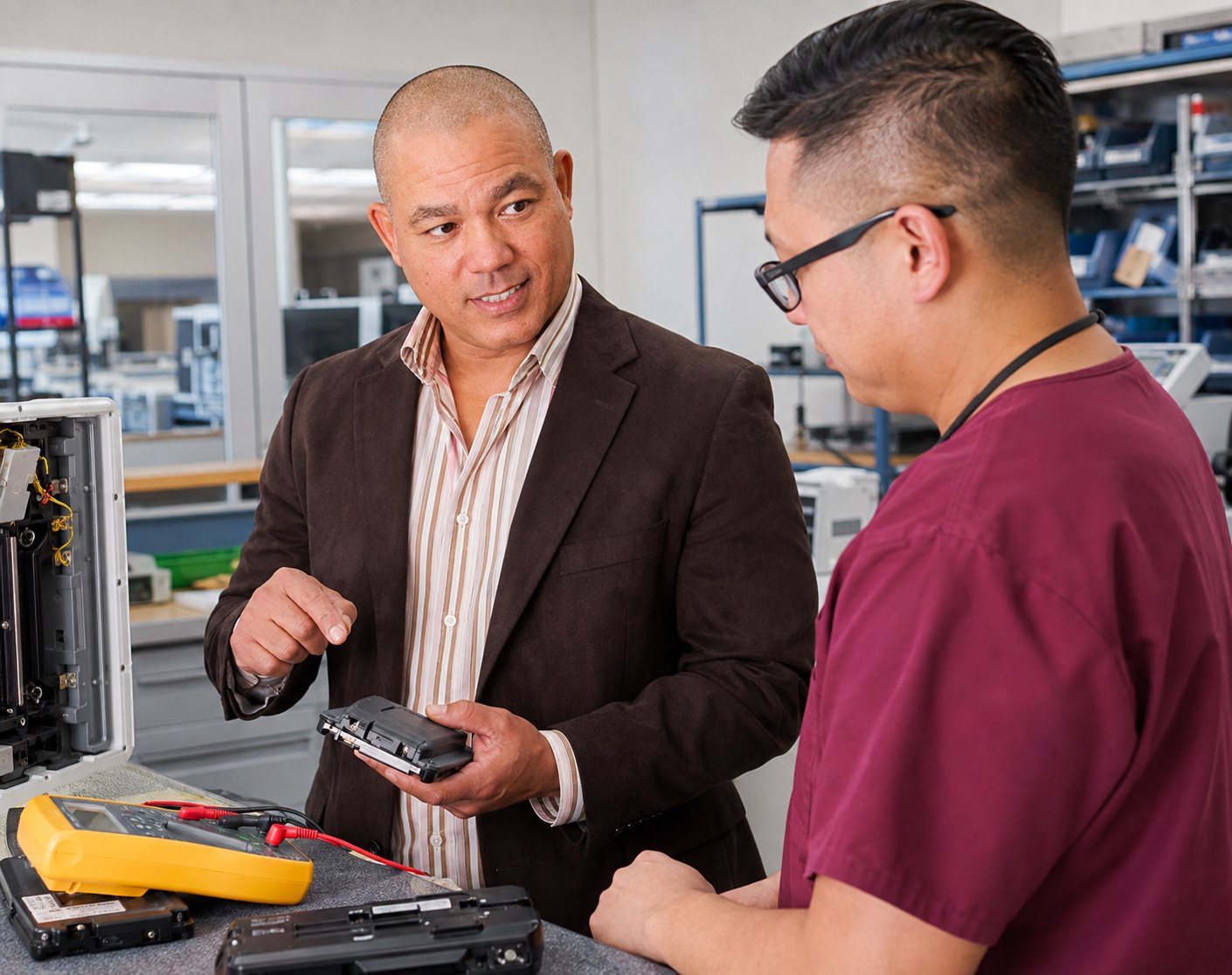
How to Become a Biomedical Equipment Technician (BMET) in 2026: Training, Certification, and Career Outlook
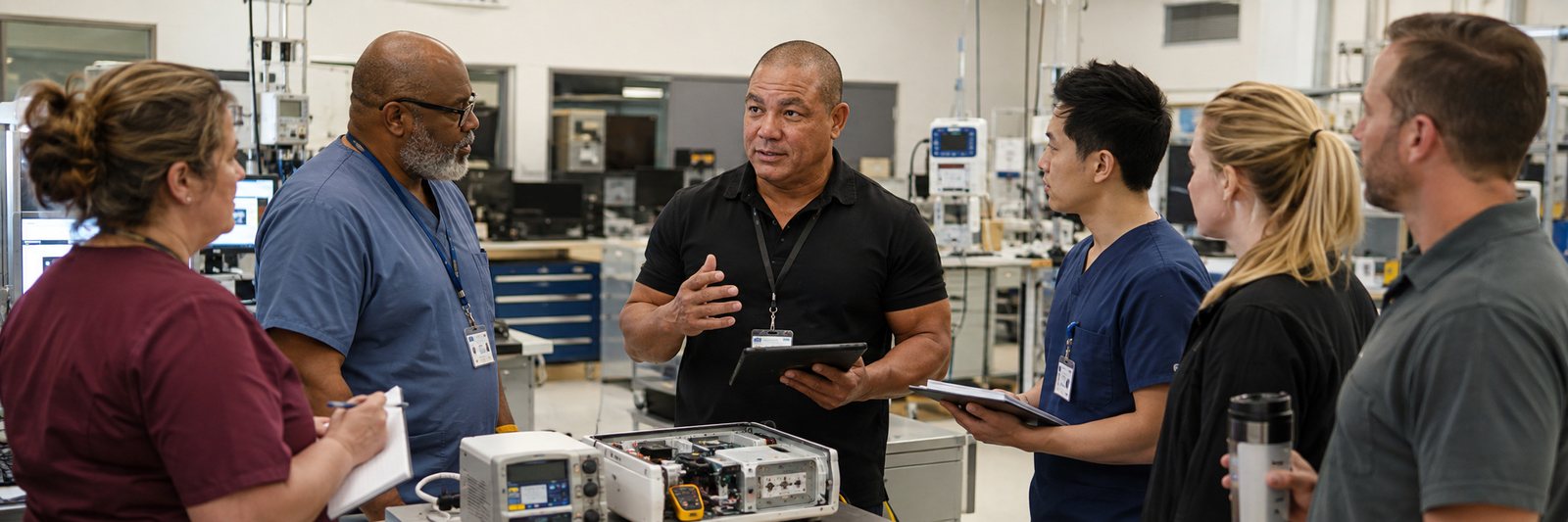
Biomedical equipment technicians — BMETs, part of the broader healthcare technology management (HTM) field — install, inspect, calibrate, troubleshoot, and repair the medical devices hospitals depend on. Most enter the field through focused technical training rather than a four-year degree, building on anatomy and physiology, electronics, medical instrumentation, and safety fundamentals before specializing.
The U.S. Bureau of Labor Statistics tracks this work under “medical equipment repairers” and publishes current wage and employment projections; because pay and demand shift over time and vary by region and specialty, prospective students should consult the latest Occupational Outlook Handbook. Credentials such as AAMI’s CBET can support advancement and earning potential, and structured exam preparation is one of the most reliable ways to pass on the first attempt.
Treat any salary ranges as approximate and time-sensitive. Verify current figures through BLS, AAMI, and real job postings in your region before making career decisions.
The career math continues to favor people entering this field. The U.S. Bureau of Labor Statistics reports a median annual wage of $62,630 for medical equipment repairers as of May 2024 and projects employment to grow about 13% from 2024 to 2034 — much faster than the average across all occupations — with roughly 7,300 openings each year over the decade as the installed base of imaging, monitoring, and life-support equipment expands and ages. For a role reachable through an associate degree or focused technical training plus on-the-job experience, that combination of above-average pay and durable demand is exactly why we built our curriculum around the competencies employers and accreditation bodies actually test.
Sources: U.S. Bureau of Labor Statistics; AAMI; BLS Career Outlook — Biomedical Equipment Technician